
Get Japanese Barberry Removal in Richland, WA
Local contractors in Richland, WA, can remove Japanese Barberry bushes to eliminate invasive plants, improve landscape appearance, and prevent property damage.
Property owners in Richland, WA who are considering invasive plant management may find it helpful to explore professional Japanese Barberry removal services. Proper removal can enhance the health and appearance of a landscape, prevent the spread of unwanted plants, and support local ecosystems. Whether planning a one-time project or ongoing landscape maintenance, residents and property managers can benefit from comparing options among experienced local contractors who specialize in invasive shrub removal.
Continuing to research and connect with trusted service providers allows property owners to evaluate the approaches and expertise available in Richland and nearby areas. This can help ensure the chosen solution aligns with specific landscape goals and property needs. By exploring local options, those interested in Japanese Barberry removal can make informed decisions to support the long-term health and aesthetics of their outdoor spaces.
- Japanese Barberry Removal - needed when invasive shrubs are overtaking garden beds in neighborhoods around Richland, WA.
- Japanese Barberry Removal - required to prevent the spread of invasive plants in residential yards near Kennewick and Pasco.
- Japanese Barberry Removal - sought after when overgrown bushes threaten native plant areas in local parks and green spaces.
- Japanese Barberry Removal - necessary for clearing invasive shrub patches encroaching on commercial properties in the Tri-Cities area.
- Japanese Barberry Removal - requested when homeowners want to improve curb appeal by removing unwanted invasive shrubs from their landscapes.
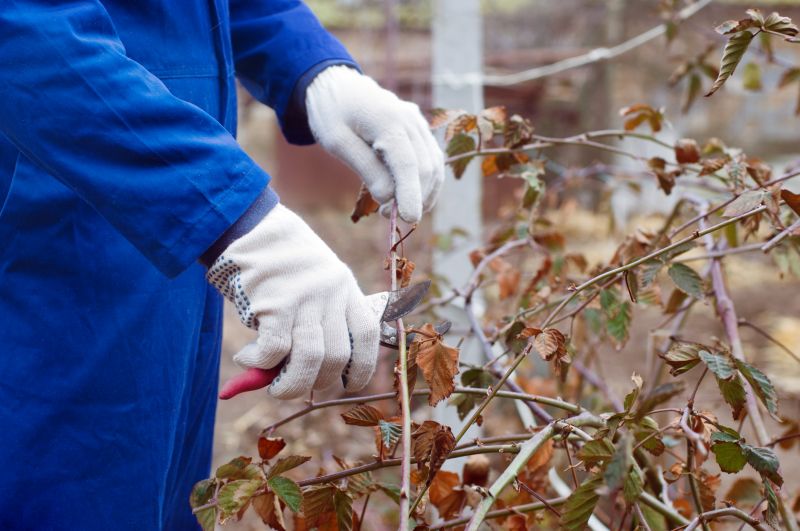
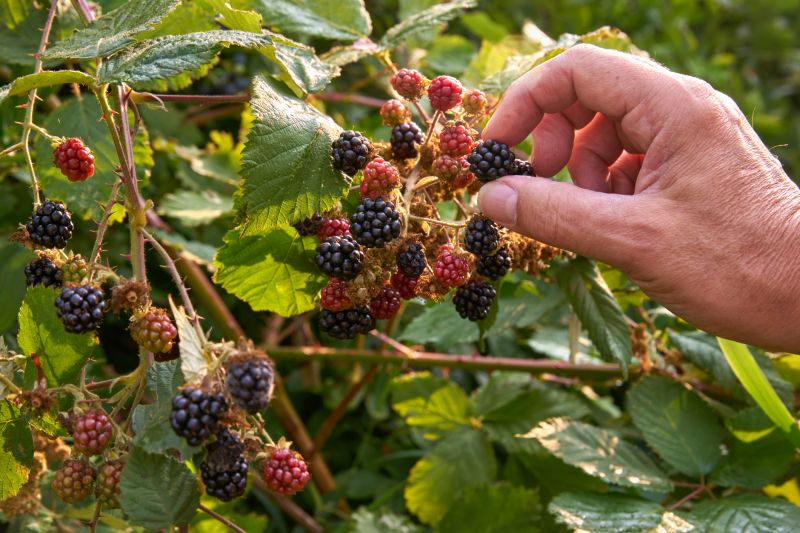
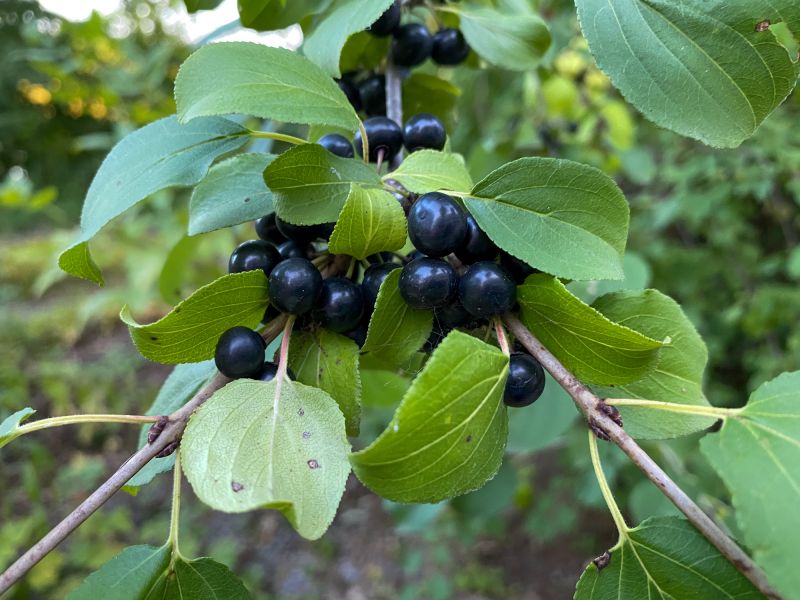
Japanese Barberry removal services involve the careful identification and eradication of this invasive shrub from residential and commercial properties. Skilled service providers use specialized techniques to remove the plants completely, ensuring that roots are thoroughly extracted to prevent regrowth. This process may include mechanical removal methods, such as cutting and digging, along with proper disposal of the plant material to prevent spread. The goal is to restore the natural landscape and prevent the invasive species from overtaking native plants and garden areas.
This service helps address several common problems associated with Japanese Barberry. The plant can form dense thickets that crowd out native vegetation, reduce biodiversity, and create an unmanageable landscape. Additionally, Japanese Barberry is known to be a habitat for ticks, which can increase the risk of tick-borne illnesses. Overgrown or invasive shrubs can also hinder property maintenance, limit visibility, and diminish curb appeal. Removing these plants can improve safety, enhance the appearance of a property, and promote healthier, native plant growth.
Properties that typically benefit from Japanese Barberry removal include residential yards, commercial landscapes, parks, and conservation areas. Homeowners who notice their garden being overtaken by dense, thorny bushes may seek removal services to regain control and create a safer outdoor environment. Property managers and landscapers often rely on professional removal to manage large infestations that are difficult to handle independently. In areas where invasive plants threaten native ecosystems, local contractors can help restore natural balance by carefully removing Japanese Barberry and preventing its spread.
Homeowners and property owners should consider Japanese Barberry removal when they observe rapid growth, thick thickets, or signs of plant invasion into lawns and garden beds. It is also advisable to seek professional help if the shrub is difficult to remove manually or if there is concern about regrowth. Removing Japanese Barberry can be an effective way to protect native plantings, improve landscape safety, and maintain a healthy, attractive property. Local service providers can assess the situation and recommend appropriate removal strategies tailored to the specific needs of each property.
The overview below groups typical Japanese Barberry Removal projects into broad ranges so you can see how smaller, mid-sized, and larger jobs often compare in Richland, WA.
In many markets, a large share of routine jobs stays in the lower and middle ranges, while only a smaller percentage of projects moves into the highest bands when the work is more complex or site conditions are harder than average.
Smaller Removal Projects - For routine Japanese Barberry removal on smaller properties, local contractors typically charge between $250 and $600. Many jobs fall within this range, covering removal of a few bushes or a small area.
Moderate Landscaping Jobs - Larger removal projects that involve multiple bushes or a larger landscape area usually cost between $600 and $1,500. These are common for homeowners looking to clear a significant section of their yard.
Full Property Clearance - Complete removal of Japanese Barberry from an entire property can range from $1,500 to $3,500, depending on the size and complexity. Fewer projects reach the upper end of this range, which is typical for extensive landscaping efforts.
Large or Complex Projects - Very large or intricate removal jobs, such as those involving landscape redesign or removal from difficult terrain, can exceed $5,000. These projects are less common and tend to involve additional site preparation or restoration costs.
Actual totals will depend on details like access to the work area, the scope of the project, and the materials selected, so use these as general starting points rather than exact figures.
Invasive Plant Removal - local contractors experienced in removing invasive species like Japanese Barberry often use similar tools and planning techniques to clear overgrown areas effectively.
Brush Clearing and Thinning - services that involve removing dense brush and undergrowth require similar skills in vegetation management and equipment handling as Japanese Barberry removal.
Landscape Restoration - professionals restoring natural landscapes often need to identify and remove unwanted plants, applying comparable planning and removal methods.
Wildfire Fuel Reduction - projects focused on reducing fire hazards through vegetation thinning utilize similar site assessment and clearing techniques as invasive shrub removal.
Tree and Shrub Removal - contractors removing unwanted trees or shrubs employ similar planning, tools, and methods to manage dense or invasive plant growth.
Garden and Yard Cleanup - comprehensive cleanup services that involve clearing overgrown plants and debris share skills in site assessment and vegetation removal with Japanese Barberry services.
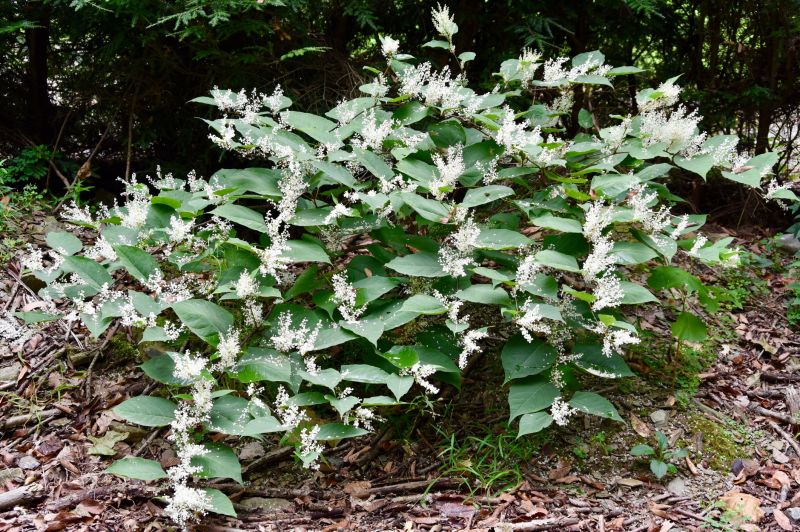
When selecting a service provider to handle Japanese Barberry removal, it’s important to consider their experience with similar projects. Homeowners should inquire about how long a contractor has been working with invasive shrub removal and whether they have successfully completed projects in the Richland, WA area. A contractor with a history of handling Japanese Barberry or comparable invasive plant issues is more likely to understand the specific challenges involved and provide effective solutions. This familiarity can contribute to a smoother process and better results, making experience a key factor in the decision-making process.
Clear, written expectations are essential when comparing local contractors for Japanese Barberry removal. Homeowners should seek detailed descriptions of the scope of work, including the methods used, cleanup procedures, and any follow-up services offered. Having these expectations documented helps ensure that both parties are aligned and can prevent misunderstandings. It’s also helpful to ask for a written outline of the project timeline and any necessary preparations, so homeowners can plan accordingly and feel confident about what the service provider will deliver.
Reputable references and good communication are vital elements to consider when evaluating local service providers. Homeowners can ask contractors for references from previous clients who had similar invasive plant removal projects, which can provide insight into the quality of work and professionalism. Additionally, responsive and clear communication throughout the process indicates a contractor’s commitment to customer service and transparency. While the site introduces homeowners to local options, it’s important to contact prospective service providers directly to confirm their experience, gather references, and discuss expectations, ensuring a well-informed choice for Japanese Barberry removal.
Property owners in Richland, WA use Japanese Barberry Removal services for practical projects around their homes and businesses. This guide focuses on everyday jobs and straightforward project options.
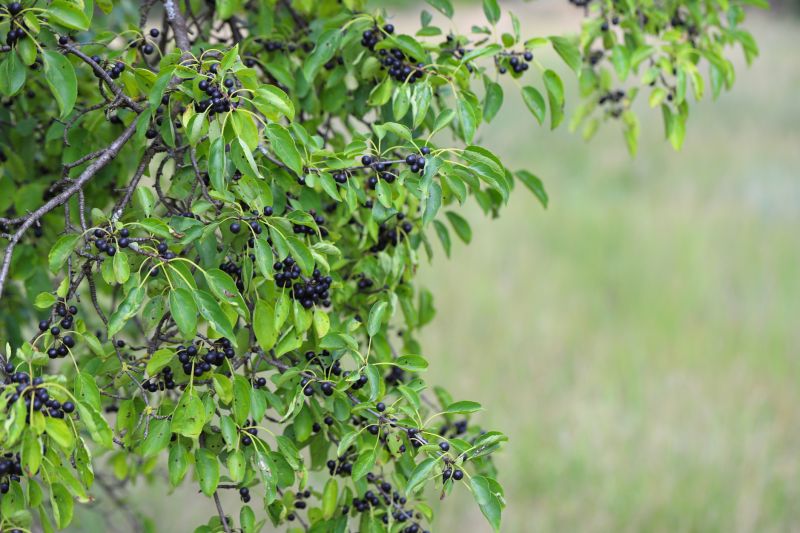
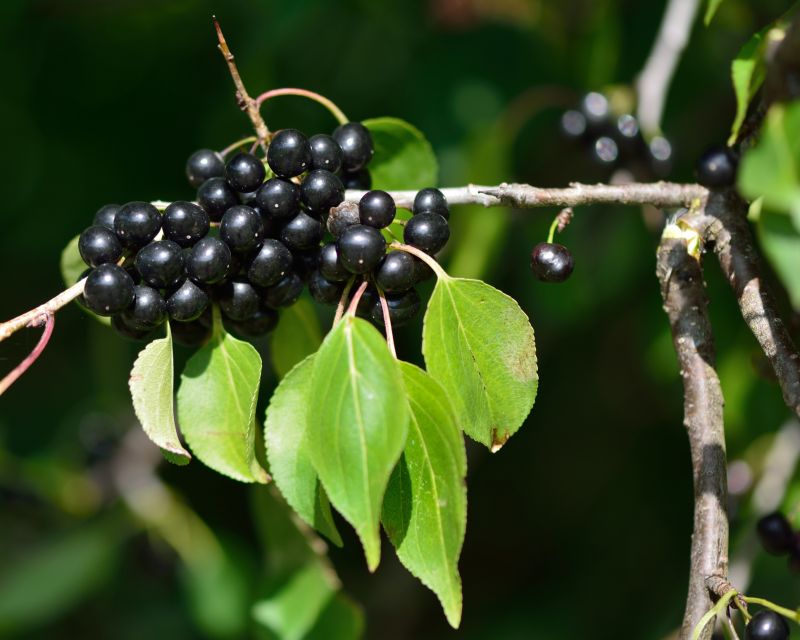
Property owners in Richland, WA may seek Japanese Barberry removal services when invasive shrubs begin to overtake their gardens or landscapes. Overgrown Japanese Barberry can crowd out native plants, making outdoor spaces less enjoyable and reducing overall curb appeal. Additionally, some residents might notice the plants spreading into unwanted areas, creating a need for professional removal to restore the natural look of their property.
In other cases, individuals might want to prevent the spread of Japanese Barberry to neighboring properties or local natural areas. Property owners may also be concerned about the dense thickets providing shelter for pests or interfering with maintenance efforts. Local contractors experienced in Japanese Barberry removal can help manage these situations effectively, ensuring landscapes remain healthy and visually appealing.
What is Japanese Barberry removal? Japanese Barberry removal involves eliminating this invasive shrub from residential or commercial properties to prevent its spread and promote healthier landscaping.
Why should I consider professional Japanese Barberry removal services? Professionals have the experience and tools to effectively remove Japanese Barberry, reducing the risk of regrowth and damage to surrounding plants.
How can local contractors help with Japanese Barberry removal? Local contractors offer tailored removal solutions, ensuring the invasive plants are properly managed and removed from properties in the area.
What methods are used for Japanese Barberry removal? Removal methods typically include physical removal, root extraction, and disposal to ensure the plant does not regrow.
How do I find a qualified Japanese Barberry removal service nearby? You can contact local service providers who specialize in invasive plant removal to compare options and find the right fit for your needs.
Garden Enhancement - Removing Japanese Barberry can improve the appearance of a landscape, making flower beds and lawns more accessible and visually appealing.
Preventing Overgrowth - Property owners can use this service to control invasive plants that may spread into neighboring areas or natural landscapes.
Yard Safety - Clearing Japanese Barberry can reduce hiding spots for pests and improve safety around walkways and play areas.
Property Value - Maintaining a tidy yard by removing unwanted shrubs can enhance curb appeal and support property value.
If you are thinking about Japanese Barberry Removal for a property in Richland, WA, this guide is meant to help you understand the work, the typical project types, and how different options might fit your plans.
When you are ready, you can use the quote form on this page to share a few details about your project. From there, local pros can review the basics and respond with options that match what you have in mind.